Automotive components

Under-hood and interior parts

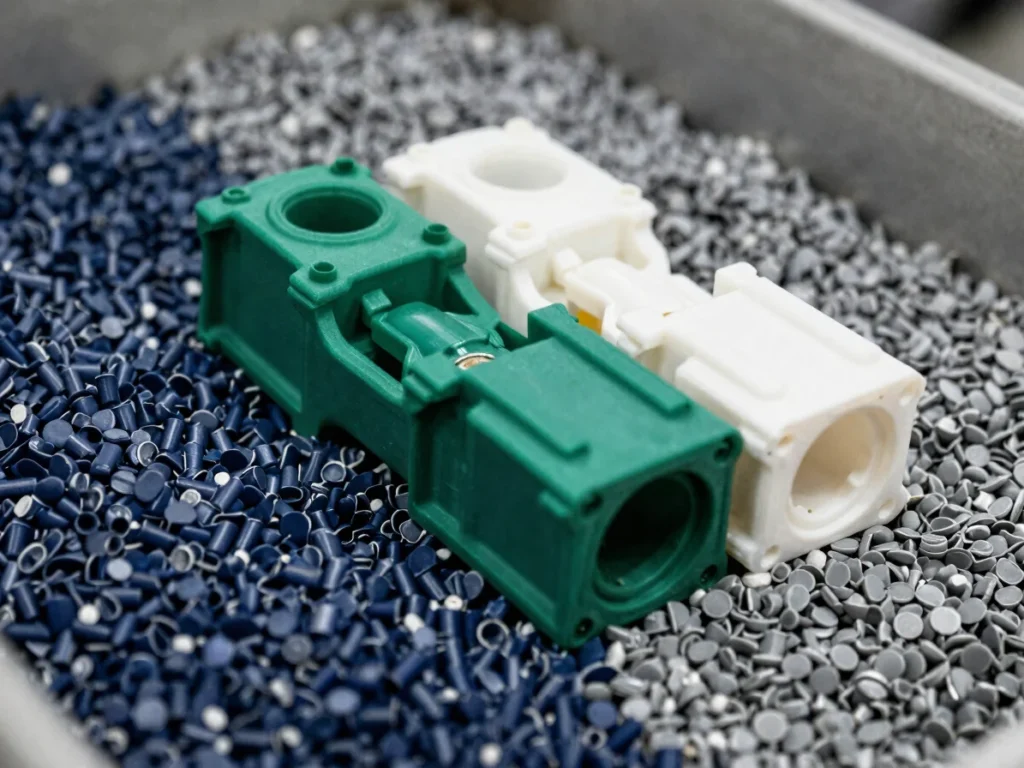
Structural brackets, connector housings, and trim require toughness and environmental stress resistance across temperature cycles and exposure to fluids.

Formulations are selected for impact performance and dimensional stability so components hold tolerance in service.

Electronics and appliances

Housings that must not ignite

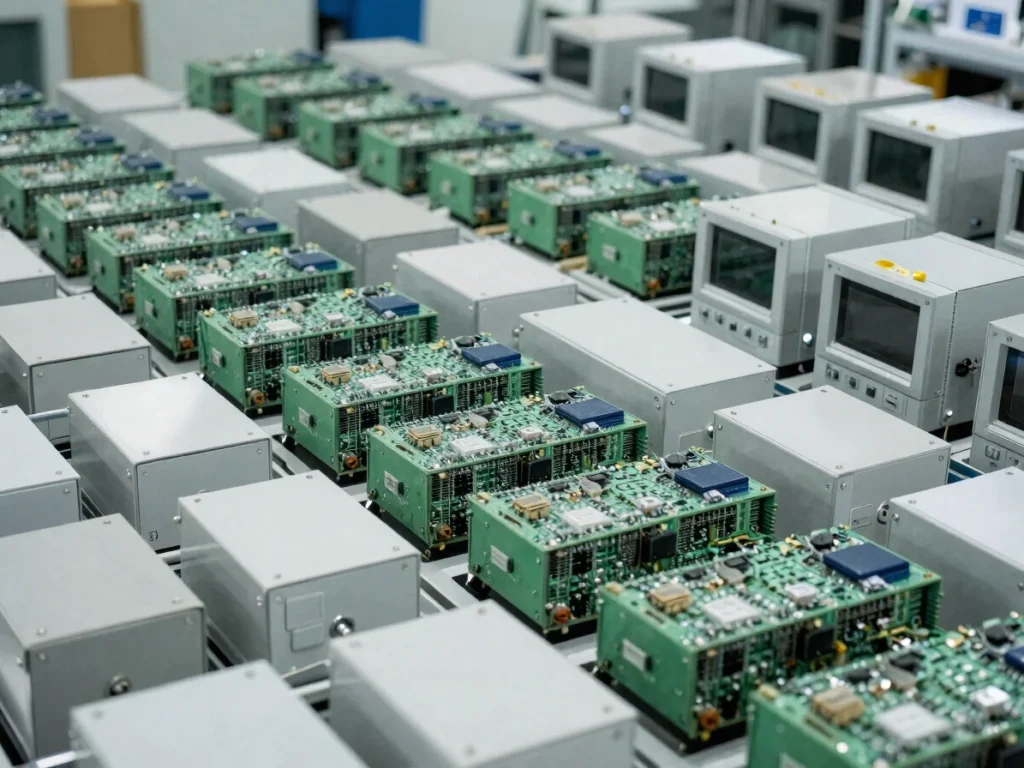
Electrical and consumer appliance enclosures demand flame retardance and reliable electrical insulation alongside a clean surface finish.

Compounds are qualified against the flame and electrical standards applicable to each housing design.

Industrial fittings

Fittings built for constant duty

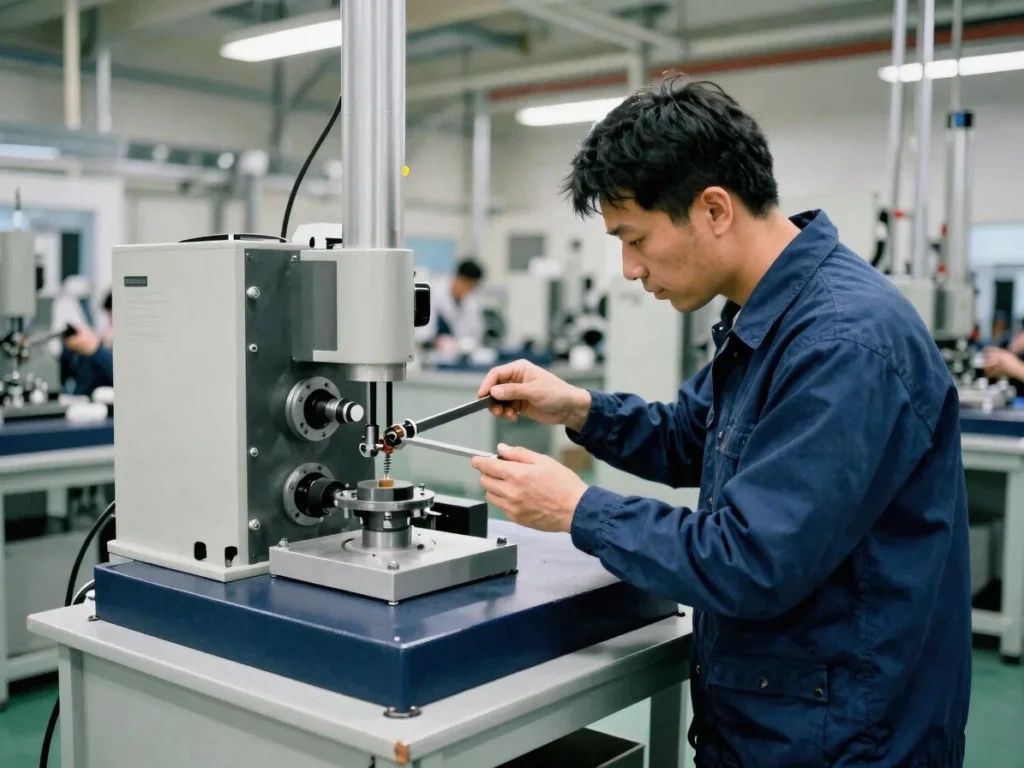
Industrial fittings and consumer hardware face wear, repeated loading, and chemical contact, so grade selection balances stiffness against long-term durability.

Targeted compounding

Solving the problem in the formulation

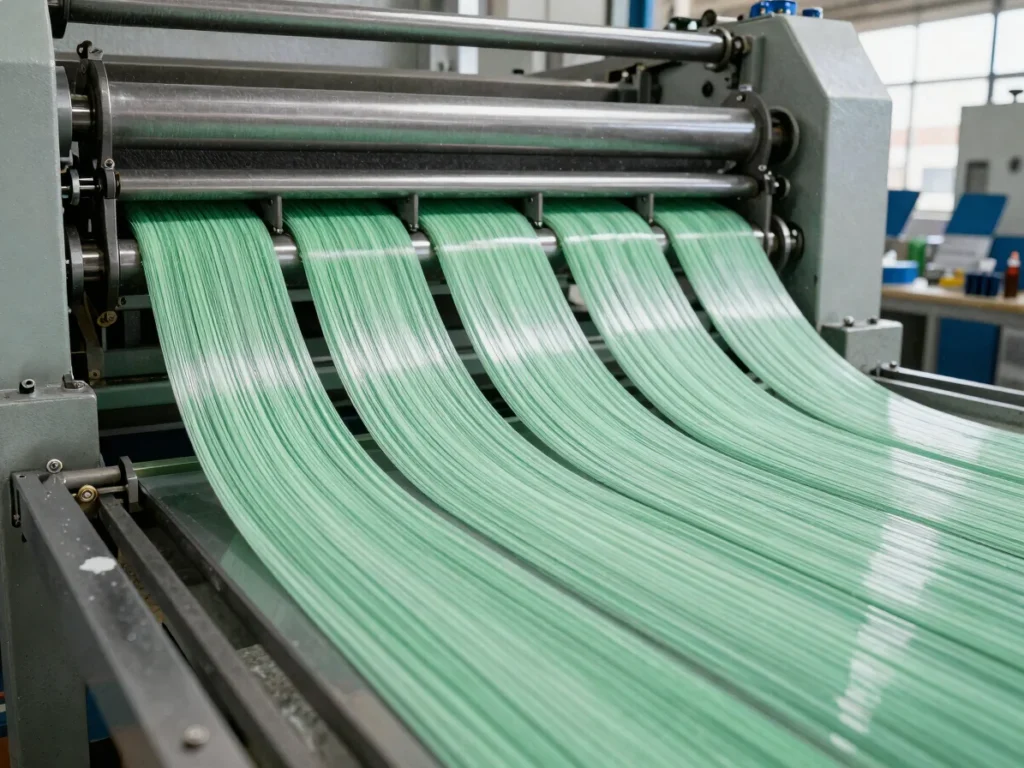
Where a standard grade falls short, compounding is adjusted to the specific challenge: thermal dissipation for heat-generating assemblies, wear resistance for moving contact surfaces, and structural strength for load-bearing parts.

Shrinkage and stability are addressed at the formulation stage, so processors see more predictable results in their tooling and production runs.